


Let's share our Thanksgiving survival tips! 🦃😂 Mine: My oven is broken. LOL. Not Joking but will probably cook a lot of pork. What's your best Thanksgiving survival tip, kitchen disaster, or holiday hack?


Testosterone is a hormone that plays a vital role in men’s health. T is key to maintaining muscle mass, bone density, and sex drive, as well as regulating mood and energy levels. As men age, their testosterone levels naturally decline. Both sleep and exercise are vital in the maintenance of hormone levels in the body. While you can boost T through controversial medication, testosterone-boosting foods can play a key role in balancing our physiology.
Testosterone deficiency, also known as hypogonadism or low T, may affect other organ systems and overall homeostasis and health.
In this article, we’ll cover five key foods that can help raise and maintain testosterone levels and improve overall health and well-being.
Testosterone is a major sex hormone in men with numerous functions related to development and equilibrium, including:
Testosterone is part of our endocrine system, which includes glands throughout the body and hormones produced by these glands. These hormones are transported in the bloodstream via our circulatory system. [2]
In males, testosterone levels are regulated by the brain, sending signals from the pituitary gland to the testes to increase or decrease the production of the hormone. [3] Testosterone is primarily made in the Leydig cells of the testes. [4]
While less prominent in female anatomy, testosterone is produced in the ovaries and adrenal glands. This male sex hormone, or androgen, aids ovarian function, sex drive, and bone strength. As with all hormones, the proper balance of testosterone and estrogen is important to maintain normal brain function.
Normal measurements for testosterone are as follows:
These ranges may vary slightly depending on the type of testing among laboratories, so always speak to your doctor about your specific results.
Testosterone deficiency is a syndrome in men characterized by the gradual reduction of hormone production. It is typically associated with advancing age, dropping by about 1% to 2% each year, starting around 40. The decline can vary a great deal from person to person.
One study found low levels of total testosterone (<11.3 nmol/L) in up to 20% of men over 60, 30% over 70, and 50% over 80 years old. [6]
Some other factors contributing to testosterone deficiency may include obesity, chronic disease, environment, and certain medications. [7] [8]
Symptoms of testosterone deficiency include:
Treatment for testosterone deficiency remains controversial due to the varying and conflicting results and side effects associated with certain medications. [10] [11]
So how can we address this deficiency? Let’s start with food!

Ribeye steak is a great source of nutrients, including B vitamins, vitamin K2, zinc, copper, iron, carnitine, and CoQ10.
This tender cut is from the longissimus dorsi. It runs along the cow’s shoulder blade to hip bone and contains marbling, or intramuscular fat, which gives the ribeye juiciness and more flavor than leaner cuts. This also contributes to its added nutrient value and essential amino acids.
Grass-fed meat contains healthy fats. Studies suggest that high-fat, low-carb diets increase testosterone production in the body. [12]


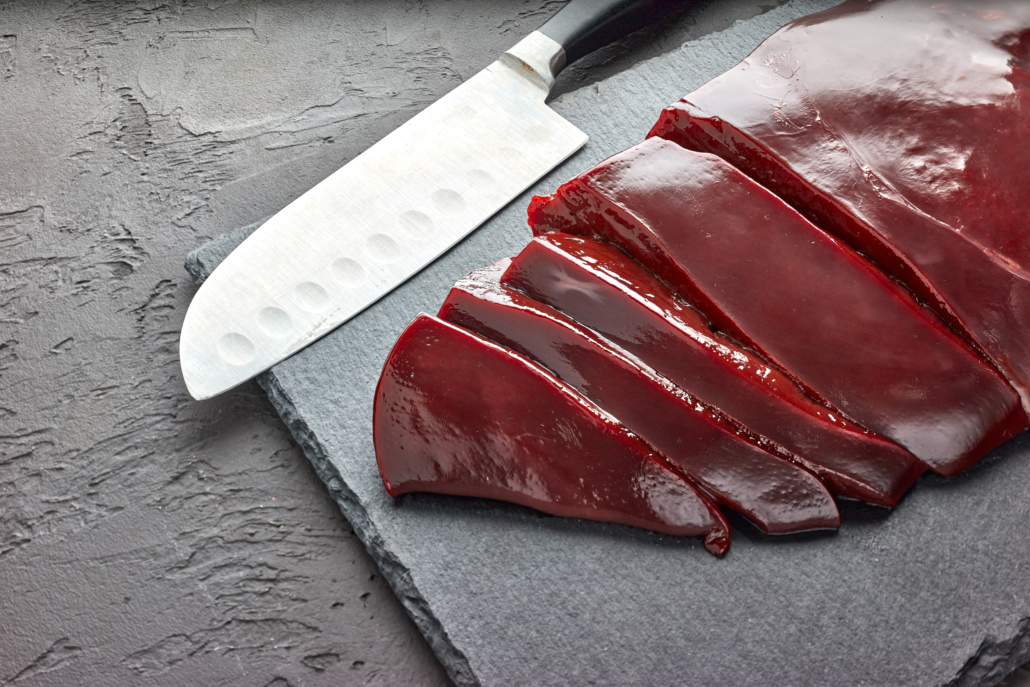
Liver is a nutrient-dense food that contains a long list of health benefits.
Rich in vitamin A, B vitamins, and iron, this superfood is tied to endurance, improved cognition, and immunity, as well as boosting testosterone levels.
There are different types of liver, and each has its own nutrition profile. Beef liver is rich in vitamin k2, zinc, and vitamin D, all building blocks for testosterone production. [13]
Liver is also a great source of dietary cholesterol, an important factor in the synthesis of testosterone. 2

Eggs are one of the most nutritious foods on the planet and an excellent source of protein, vitamins, and minerals. They can also play a crucial role in balancing hormones.
Eggs are high in vitamin D, an essential nutrient that may help boost testosterone production in the body. [14] One study suggests the correlation between increased levels of vitamin D and increased testosterone levels, while another study stresses the inherent relationship between testosterone and vitamin D levels in the body, and the consequences of their deficiency. [15] [16]
Egg yolks are also rich in selenium, a mineral that supports immune function, protects cells from damage, and acts as a powerful antioxidant by combatting free radicals.
Some studies have linked selenium with an increase in testosterone. However, more testing still needs to be done to support this correlation.
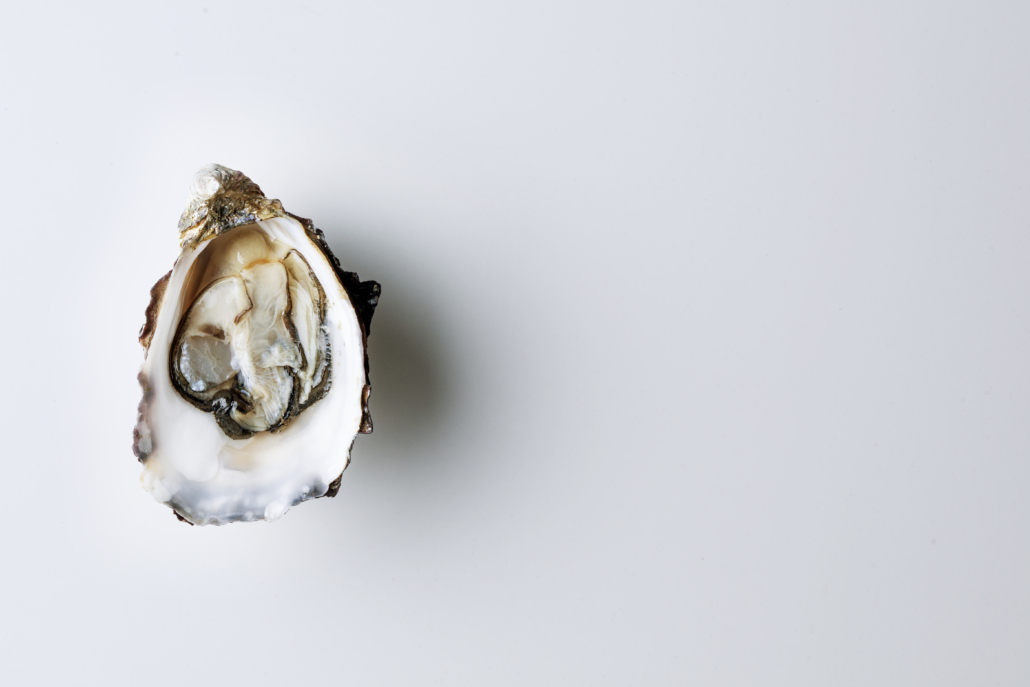
Besides their classic reputation as an aphrodisiac, oysters are also loaded with trace minerals that can help bring the body into balance.
Oysters contain high amounts of zinc, vitamin B12, selenium, and iron. A mere 3.5 oz serving provides 100% of your Recommended Daily Value (RDV) for B12, zinc, and copper — and over 75% of your RDV for vitamin D and selenium.
Zinc is essential in regulating immunity and bone health. A zinc deficiency has been linked to low T, so maintaining a healthy amount of this nutrient in the body is important in regulating hormone production. [17]

Cheese is a quintessential high-fat, low-carb food containing:
All of these factors help increase the production of testosterone in the body, making cheese an excellent nutrient source. Some fermented cheeses also contain probiotics, improving immunity and digestive function. [19]
As we age, testosterone levels are bound to decline with time. Incorporating certain foods into your diet now may help lower the risk of deficiency in older age.
And keep in mind, good sleep habits, regular exercise, and maintaining a healthy weight also play important roles in regulating hormone production in the body.
Foods that help maintain healthy testosterone production will also improve the body’s overall vitality and well-being.


Comments
Start the Conversation